
In 2005, Dreamworks released their animated animal survival film titled, Madagascar. The film is about four animals from New York’s Central Park Zoo — Alex the lion, Marty the zebra, Melman the giraffe, and Gloria the hippo — who accidentally find themselves stranded on the island of Madagascar after a series of misadventures. Having lived their whole lives in captivity, they struggle to adapt to the wild. Marty enjoys his newfound freedom, while Alex wrestles with his predatory instincts toward his friends. Eventually, they learn to work together and embrace friendship and freedom in their new environment.
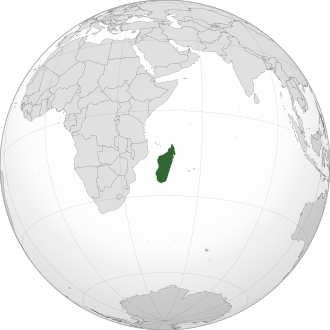
Honestly I have never seen the film personally, but have seen clips now and again. It was my only preexisting knowledge of the island nation off the coast of Africa. Here are some facts: Madagascar is located off the southeastern coast of Africa in the Indian Ocean. It is the fourth-largest island in the world and is known for its incredible biodiversity—over 80% of its plant and animal species, including lemurs and baobab trees, are found nowhere else on Earth. The country’s population is a mix of African and Asian origins, reflected in its Malagasy culture, language, and traditions. The population is estimated at 32,000,000. Madagascar’s economy relies mainly on agriculture, fishing, and mining, though it faces challenges such as poverty and deforestation. Its capital and largest city is Antananarivo. We have two missions in Madagascar, both with headquarters in Antananarivo. Most people refer to the city as simply “Tana”. The language in Madagascar is both Malagasy and French as it was under French rule from 1897 to 1960. Christianity is the predominant religion (85%) although many still practice traditional faiths. From Wikipedia: “At least 6% of Madgascar are adherents of the [traditional] religion, which is known as Fomba Gasy, and surveys show it is likely at least half practice some aspects of it. Adherence to Fomba Gasy is high amongst the Sakalava people (up to 80%), as they are reluctant to convert to faiths of foreign origin.[There are just over 2,000,000 Sakalava people, most who live on the northwest coast of the island.] Traditional mythology in Madagascar tells of a creator deity referred to as Zanahary, and the division of Heaven and Earth between Zanahary and his son, Andrianerinerina, a rebellious hero and frequent theme of their worship as the son of God, or between Zanahary and earth deities such as Ratovantany which crafted human bodies from clay; in these myths Zanahary gave life to humans, and their souls return to him on the sky or on the sun while their bodies return to the earth deities. In contrast to Andrianerinerina, the word Andriamanitra (the Merina term for “Fragrant Lord”) is used to refer to revered ancestors. Malagasy cultures were generally polytheistic, and worshiped a variety of entities that straddled the line between god and revered ancestor.
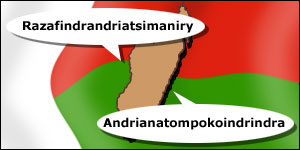
There is one more important piece of information to understand about the Malagasy people, and that is how they choose their names. Malagasy names are usually long and often carry great meaning. I know we were surprised when we received our first missionaries in Kumasi. Ramiadamanana and Rakotojoelina were the first two. Historically, people in Madagascar used only one name, but during English and French colonial rule, laws encouraged the adoption of both given and family names—even though this was never mandatory. In fact, single names remain legal today. Because surnames are not required, Malagasy parents have great freedom in naming their children, often creating unique names that express blessings, family heritage, or hopes for the child’s future. Certain name elements, like “Ra-” (a respectful prefix), “Andria-” (noble), “Rakoto-” (man), and “Rasoa-” (woman), reveal social or gender nuances. French or English names are sometimes added as middle names, and gendered name use is flexible. Nicknames are also common, so a person may be known by different names depending on who is addressing them. For example,(and this is where the meaning and the reason of the long names arrive) the family of the newborn child (usually the parents and/or the grand-parents) makes up a new name that should serve as good omen, hopeful future and/or family heritage. So, one could easily come up with something like : “The Noble Grand-Children of John Who Will Be A Force Of Nature”, which becomes RANDRIAZAFINJAONA Heriniaina. If you had a “God-Given Little Girl You Awaited For So Long”, just call her RASOANANDRASANA Fanomezantsoa. And so on. And sometimes, a child’s surname will be the parents surname, but with a few additional syllables added such as “Na”, or “Ra”. Thus the names can get very long.
The reason I am spending so much time in this post speaking of Madagascar is because of the events that are currently happening – especially in Antananarivo. Beginning on September 26th, Madagascar began to experience significant unrest due to widespread protests resulting from frequent and chronic power (load shedding) and water shortages. These demonstrations were led primarily by young adults and organized using social media platforms like Facebook. The protests started in Antananarivo and are now spreading to other large cities. While the protests began as peaceful demonstrations, malcontents without moral boundaries joined the protests and immediately began looting and destroying anything and everything. This caused the authorities to impose a dusk-to-dawn curfew (7 p.m. to 5 a.m.) in Antananarivo, with security forces warning of lethal measures against further disruptions. While much of the looting has subsided due to police action (some looters have been shot and killed), the protests continue.
At the heart of this protests, are the ongoing infrastructure challenges exacerbated by poverty and governance issues. Many accuse the administration of failing to address these issues since 2023. The protests demand basic human rights like reliable utilities. Slogans such as “water and electricity are basic human rights” and “Malagasy people, wake up” have become commonplace. The unrest also seems to underscore deeper economic frustrations, with potential for further unrest and conflict if utilities are not repaired and restored. The President, who is under pressure to resign, has dismissed the prime minister and other top leaders and placed the blame for inaction upon them. This week, a new prime minister (military background) was named. It is yet to be seen what the impact of this will be on the protests.
For our missionaries, it has been a time of uncertainty. All of them are safe and accounted for and are doing the best they can to keep the work moving. For a few days, they were all “sheltering in place” as the looting was occurring. Now that the protests are mostly peaceful, they can venture out (especially in the mornings and early afternoons) and help those they are teaching progress. They are counseled to avoid the crowds and be alert and attentive to what is going on around them. Both sets of mission leaders were out of the city attending to zone conferences and interviews when this all started. That was probably a very good thing as the location of the mission homes were near much of the unrest. We pray for peace and reconciliation in this wonderful country. Their history of insurrection and leadership changes over the past 100 years does not portend good things, but for now, the work of gathering moves forward, despite the chaos. Because there is an American Embassy, with a strong security focus, we are following their lead on taking the needed precautions. We are hopeful that this will be solved soon and there will be no need to evacuate the missionaries. The BBC has done some good journalism on the background and status of the unrest should you be interested in more details.
The challenges in Madagascar are just one more issue that we deal with in the South and Central Africa Areas. My role was initially making sure that all the right people were informed and communicating regularly. Now it is mostly just a second-level monitoring role, something that our security manager (Rob Milne) leads.
In other news, missionaries in one of our missions hit a motorcycle with at least 3 passengers when the moto ran a stop sign and drove directly in front of their small pickup truck. Two people on the motorcycle died. What a mess. Even though it was the driver of the motorcycle at fault, the missionary driver was held overnight by the police. They continue to hold his passport so he cannot leave the country until the case is dismissed – something we hope will happen sometime this month. There are few places where missionaries are allowed to drive in Africa, and now there will be one less place….
For whatever reason, the last three weeks has been incredibly busy. We have to do a better job in preparing our young men and young women to serve missions. When a young person has a call to serve and their stake president has to later postpone the mission due to worthiness issues, I believe that is an indictment on us as leaders. When a young man or young woman has to postpone a mission because they do not have a passport, it is an indictment on us as leaders. Why? Because we simply have to start earlier in the process to secure the passports. In countries like Malawi and Republic of Congo where passports are difficult to get, we need to start when a young man or young woman is 16 years old and on track to serve. For those who cannot afford the cost of the passport, the Church will now help them get it. This requires much more forethought and planning, a skill that is still in its infancy in Africa. The importance of preparation cannot be overstated. I believe we would be baptizing twice as many new converts if we had missionaries who were prepared, converted, and committed. Don’t get me wrong, a mission provides experiences a young person can get in no other way, but they need to be more prepared so they get the FULL experience of discipleship. We have work to do everywhere in the world on this topic.
There are so many things that can keep missionaries from diligently serving every day. Sickness, injury, misuse of technology, companionship struggles, and even political unrest. For example, in addition to the issues in Madagascar right now and the issues surrounding the accident with the motorcycle, one missionary decided to ride a members bicycle down a hill without realizing there were no brakes. That ended in a broken clavicle, surgery, and two weeks of downtime. And yet, despite the challenges of the work here, in the Africa South Area there has been a 20.4% increase in the number of baptisms YTD over 2024 with only a 10.2% increase in missionaries. In the Central Area, there has been a 37.2% increase in baptisms with only a 14.2% increase in missionaries. The hastening of the work as it relates to the gathering of Israel in Africa is astounding – despite the distractions and barriers – and in some cases, the lack of preparation. We are expecting that there will be perhaps 8-10 new missions formed in these two Areas next year. Therefore, despite the problems we encounter as the work moves forward, it is undeniably moving forward at an accelerated pace. In these two areas we have over 4400 missionaries. I deal with the very small percentage of the total who have significant struggles. The vast majority of this rising generation of missionaries is becoming powerful leaders for the future of Africa. It is amazing to have a front row seat as all of this unfolds.
Before closing out the blog today, I want to share a few pictures of things happening here in Johannesburg.


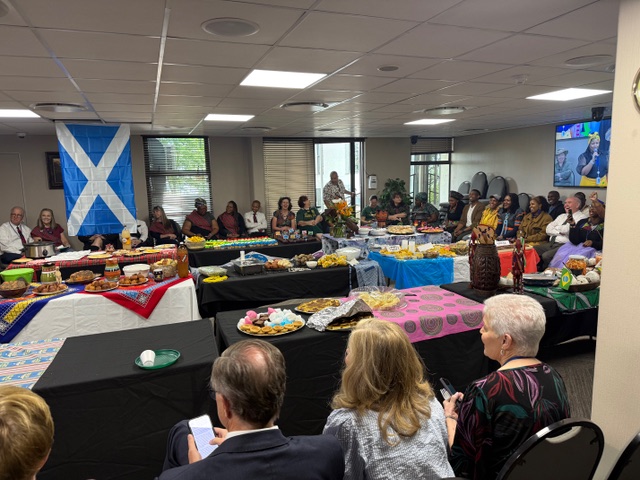
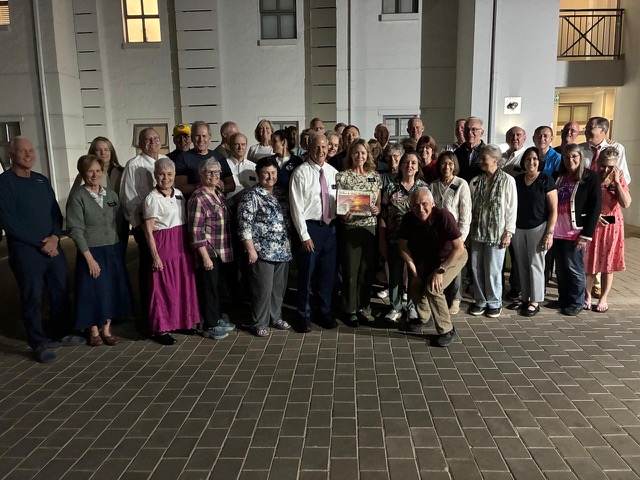
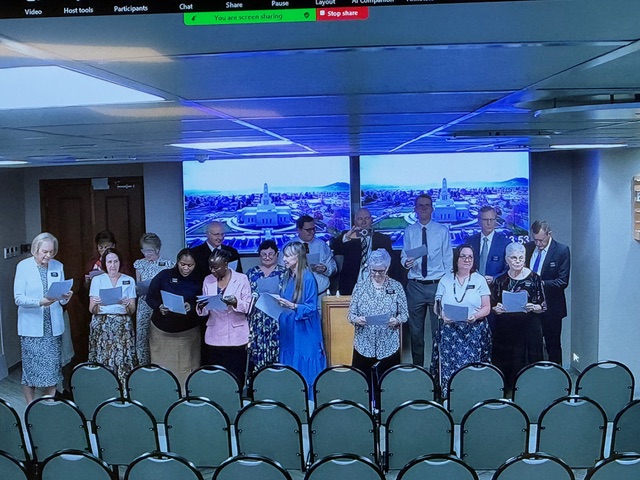
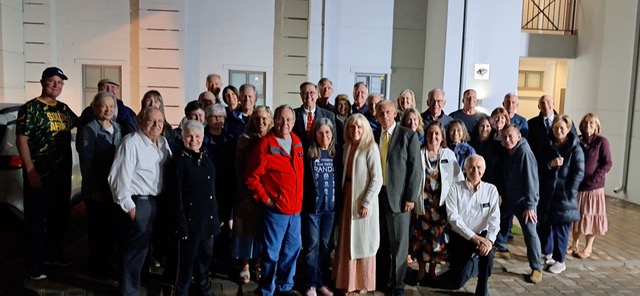
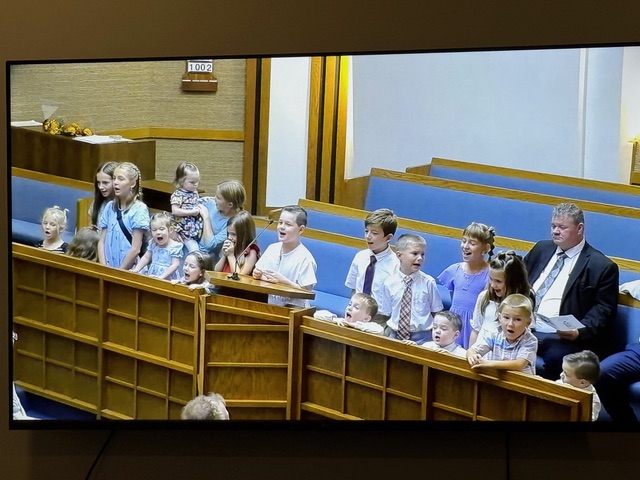
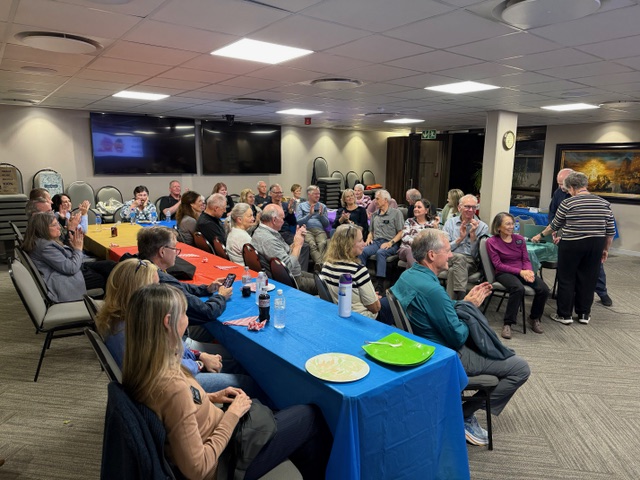

What a wonderful experience General Conference was this past weekend. We are so grateful for Prophets and Apostles and Seventies and Organizational Leaders who spoke with words that were manna to our souls. How does the world live without the counsel of these great leaders?
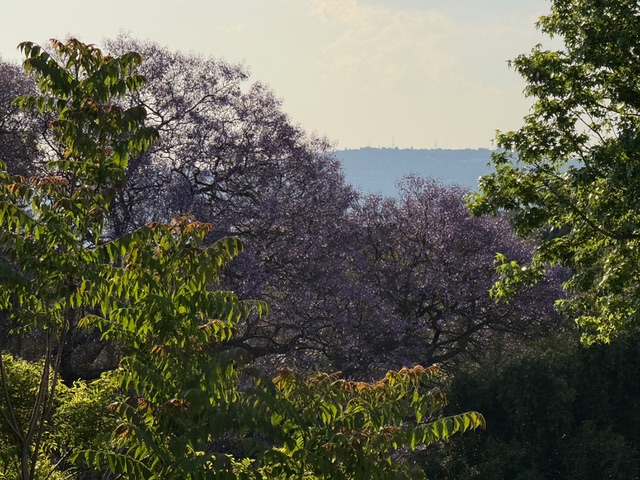
We must finally be into Spring here. The jacarandas are beginning to bloom and today there was a downpour. Actually it was a downpour of rain AND hail, and I was out in it. Yikes. Hoping the car survived all those ice pellet shots!

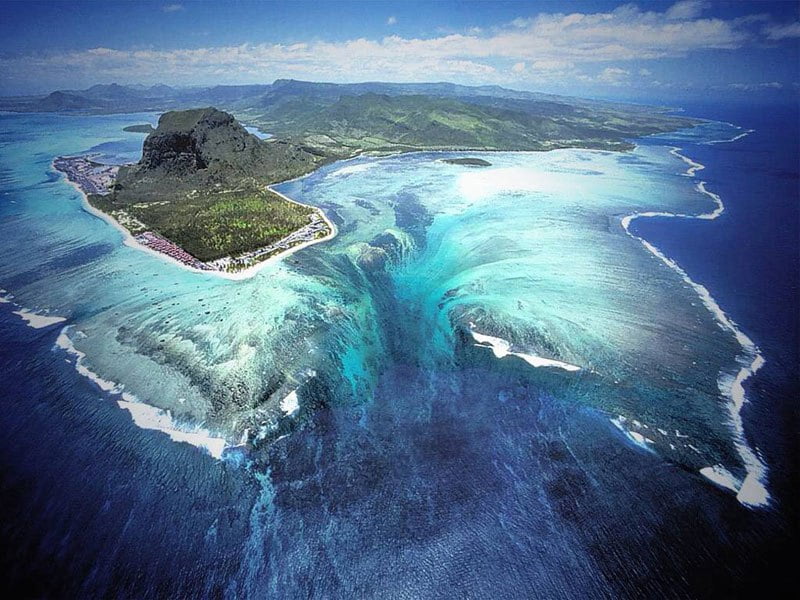
October is going to be a good month. Two weeks from yesterday we will travel to the Ridge Cabin Resort in Kenya for the Central Africa Mission Leader Seminar. Will will come back later in the week and then fly out the very next week to the South Africa Area Mission Leader Seminar to be held in Mauritius. It will be good to finally meet all of these amazing mission leaders. And getting a break from the daily and weekly routine will also be wonderful. We are also now working in the temple every Wednesday on the morning shift. This too is an oasis from the world for us and we are grateful to live 4 minutes away from this sacred House of the Lord.
And finally … the Gathering of Israel continues. The work never stops, only accelerates. The work is actually work, and it requires attention to detail. The people are amazing, the flora of Johannesburg colorful and aromatic. It is amazing to be engaged in this work, together, Serving in South Africa.
Discover more from Kunz Corner
Subscribe to get the latest posts sent to your email.
 Kunz Corner
Elder and Sister Kunz, Really enjoyed reading your mission blog
LikeLike
Hi Tom,
Are you anywhere near Rwanda?
Steve
LikeLike
Hi grandma and Grandpa!
LikeLike