It has now been over a month since we have made a post. The time goes by too fast. So much has happened that I may divide this into 2 or more posts. Let’s start with October 12th. That was the day we held a farewell for the Bascom’s. Elder and Sister Bascom were temple missionaries and assigned as the “zone leaders” for the senior couples (someone has to keep us in line). It was a good excuse for cobblers, ice cream, and other yummy desserts.
Elder Bascom is also a lover of mountains. As they left South Africa, they headed to Kilimanjaro, where Elder Bascom and some family members from the US joined him to climb the 19,341 ft mountain located in Northern Tanzania on the border of Kenya. It is certainly one of Africa’s most iconic landmarks and the highest “free standing” mountain in the world (it is not part of a mountain range). It is a mountain consisting of three volcanic cones, two of which are extinct and one which is dormant. Its name likely comes from Swahili and Chagga roots meaning “Mountain of Greatness.” It is more of a trekking mountain than a technical climb, and over 30,000 people attempt it each year with a 65-85% success rate. It is fair to say, that Elder Bascom was successful. Unfortunately, they were stranded in Tanzania for a few days due to political unrest in the country associated with their presidential election. That is a story for later…

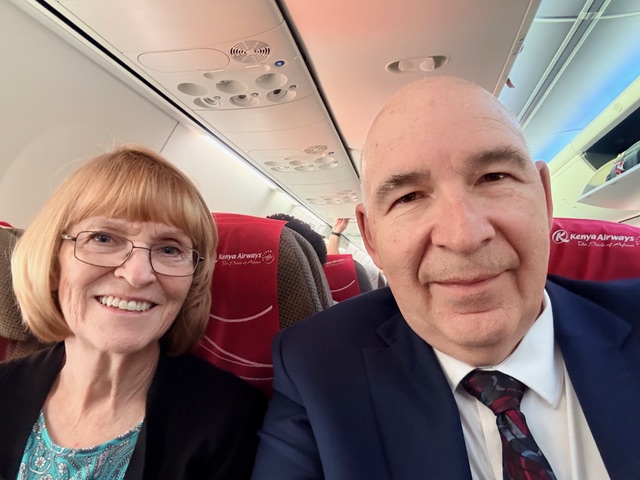
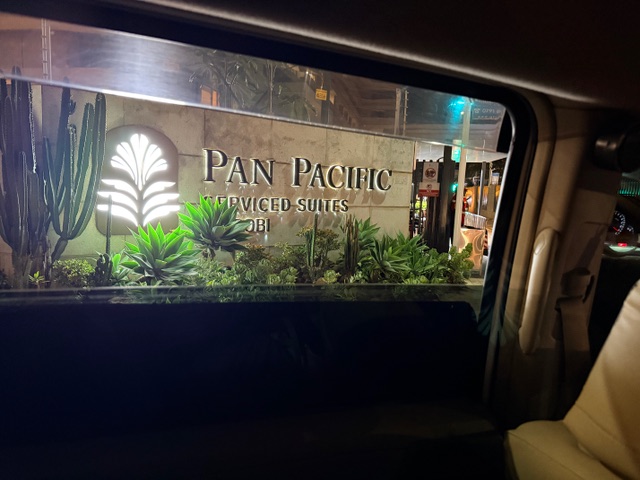
On October 19th, we left for the airport at 9:00 am to board a Kenya Airways flight and traveled to Kenya for the Africa Central Mission Leader Seminar. We ended up sitting on the tarmac for over an hour. What should have been a 4 hour flight turned into a full day of travel, as we arrived at the hotel shortly after 6 pm. We stayed at the Pan Pacific Suites in Nairobi. It was nice enough.
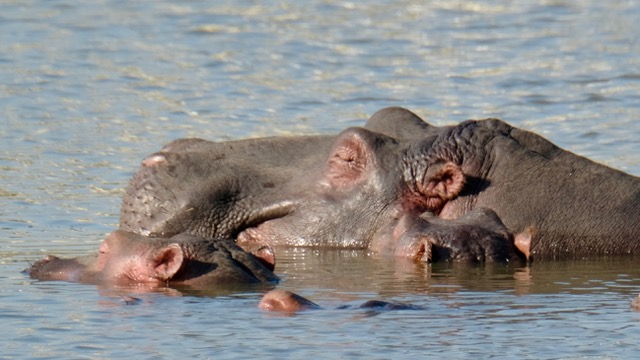
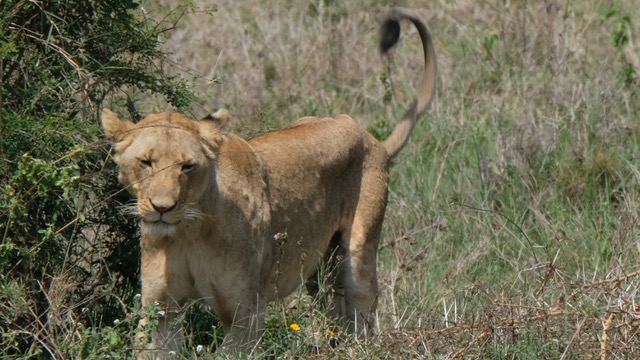
The next morning we left early for a mini safari at the Nairobi National Park. It is literally on the outskirts of Nairobi. It is strange watching wildlife with buildings and roadways in the background. They don’t have any elephants in the park, but we saw Giraffes, Hippos, Rhinos, Ostriches, Zebras, Elands, Impalas, Hartebeests (also known as Kongonis), crocodiles, one lioness, and lots of birds (my favorite being the Grey Crowned Crane). Here are a few pictures…
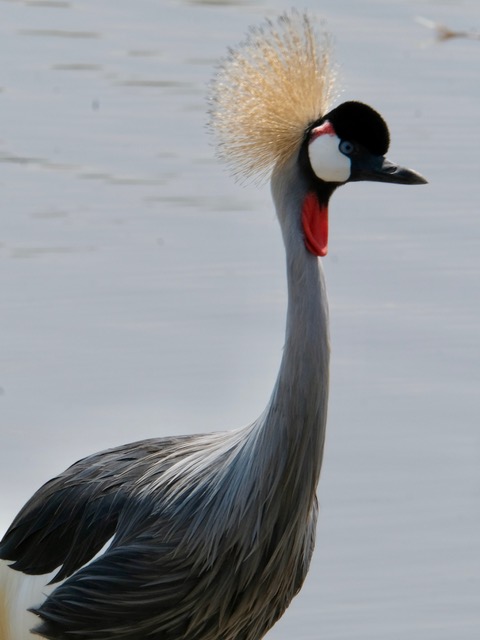

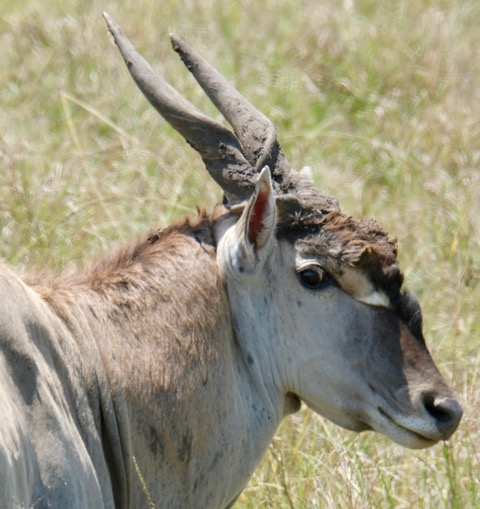

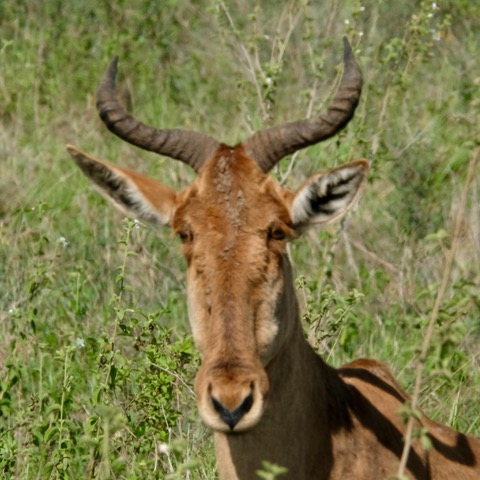


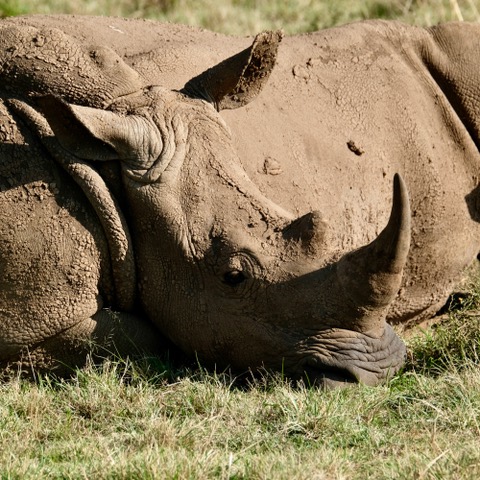

From the National Park we made our way to the location of the Mission Leader Seminar. A place called Ridge Cabin Resort.
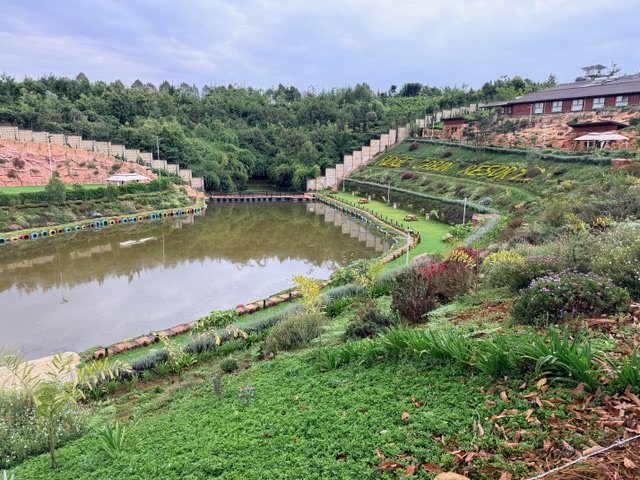

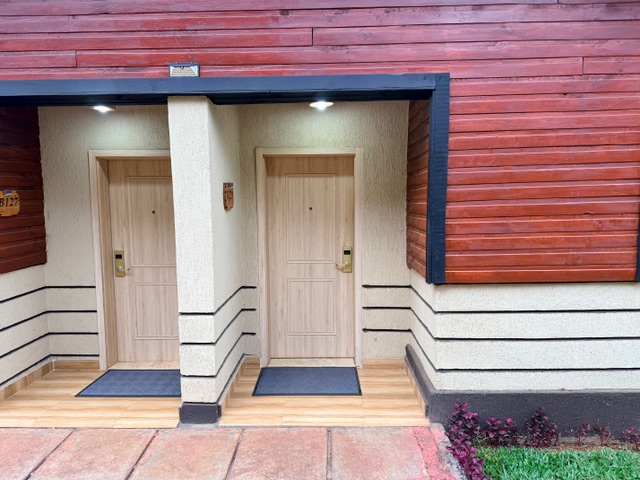
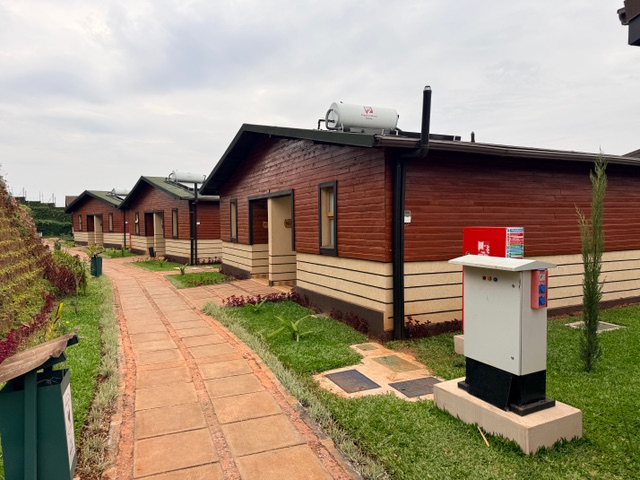
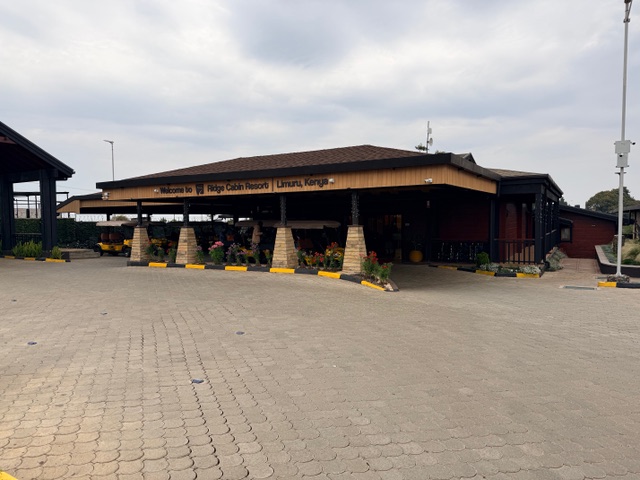
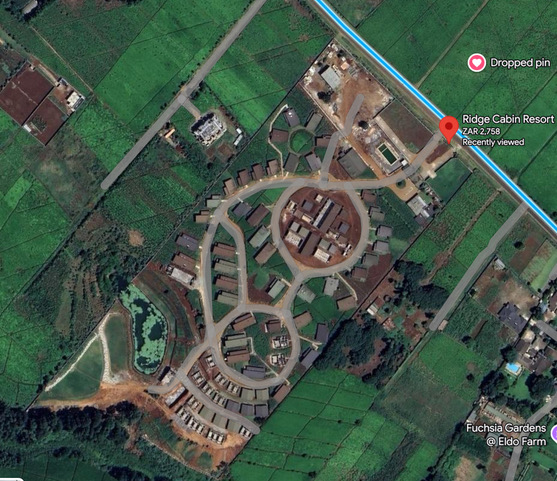
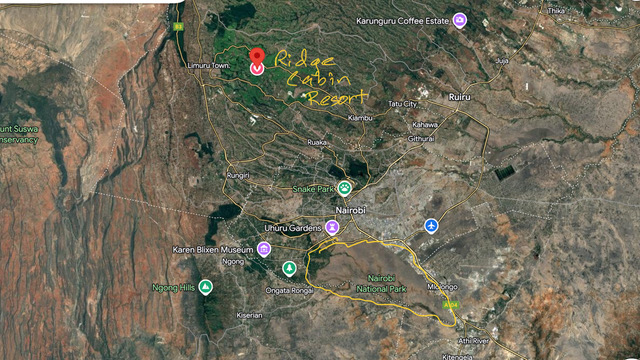
While the venue was nice, the content of the seminar was better. Here are our key takeaways from the 2.5 days we spent in the seminar:
- Book of Mormon is our sickle. There is power in that book that will change us! Our knowledge of the Plan of Salvation comes from the BoM
- More Doctrine of Christ = better mission culture. This is the covenant path on which the ordinances are found
- “Friends” can experience the power of godliness at sacrament meeting as they participate and observe the ordinance of the sacrament
- A focus on Jesus Christ brings humility
- Scarcity mentality comes from fear. Abundance mentality comes from Christ
- Self-reliance is a process not a destination
- The more we learn of Christ, the more we will love Him
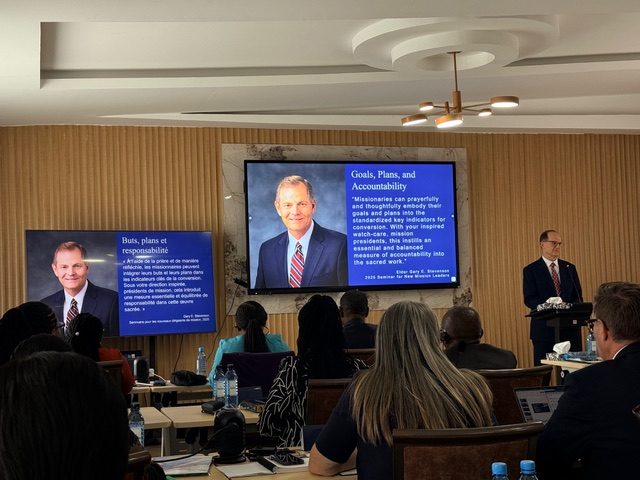
- Plans + Accountability brings success in missions
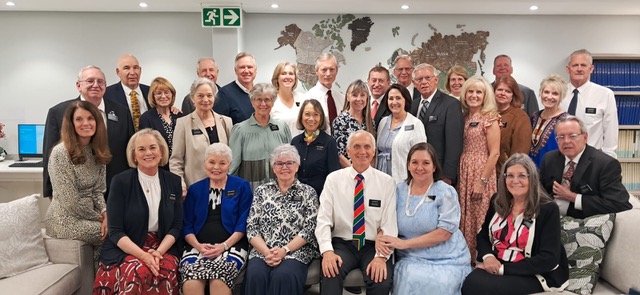
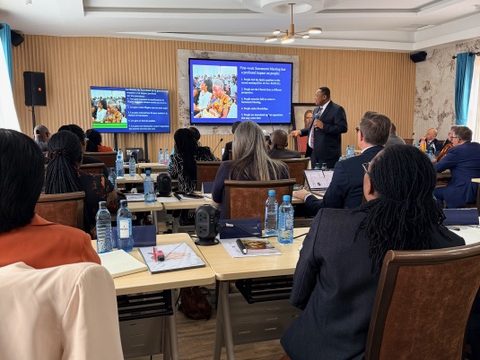
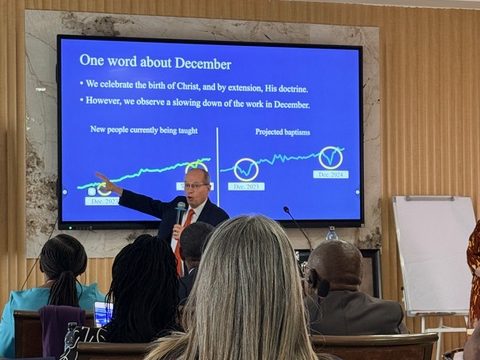
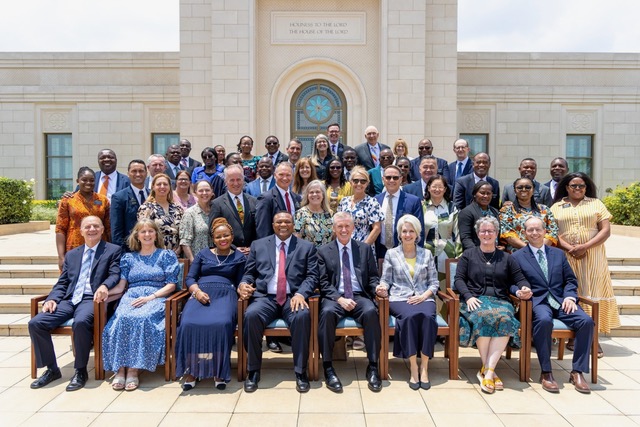
These short soundbites do nothing to give credit to the Seminar that it deserves. We were all uplifted and edified by the instruction, the discussions, and the attendance of our amazing Area Presidency. Here are some additional pictures from the seminar.
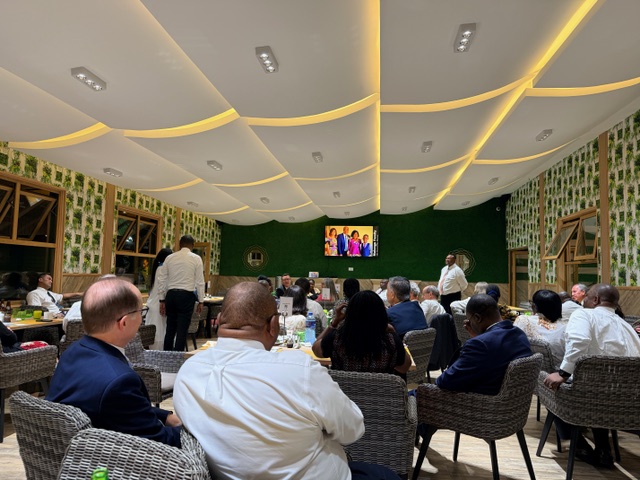
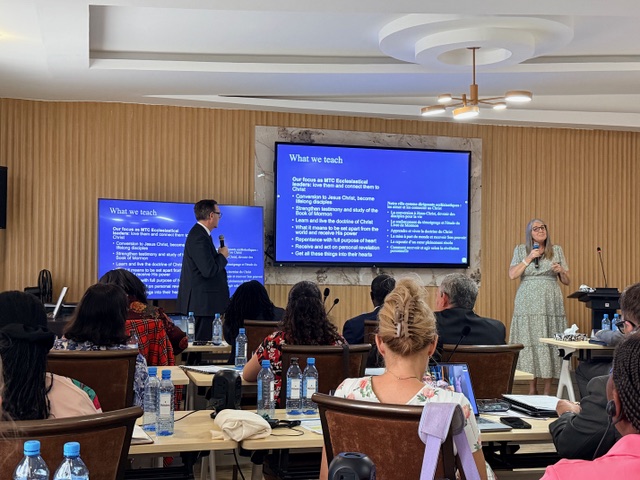

President Tshilombo and his wife are the Mission Leaders of the DRC Kinshasa South Mission. He doesn’t speak much English, but he has a heart of gold. Whenever we have a need for a short-term assignment in Kinshasa, President Tshilombo will always make room in his mission. He is wonderful to work with. President and Sister Tshilombo have been married just over 15 years (if my memory serves me) and they have desperately wanted to have children, but up until now, they have remained childless. The Tshilombo’s will complete their mission service in June 2026. They have been diligent and faithful in all things. And despite the arduous schedule, it has been while they are serving that she finally conceived and they are now expecting twins on November 20th. What a magnificent blessing and tender mercy for these wonderful servants! In the last picture above, President Tshilombo is in the gray suit at the end of the table as we sang happy birthday to him. Sister Tshilombo was understandably unable to attend.
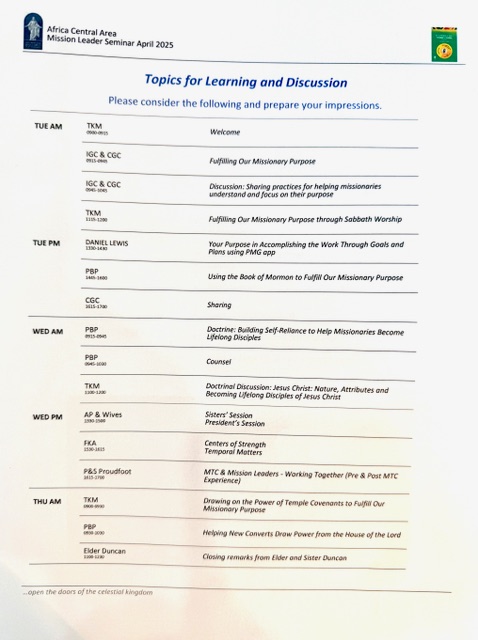
Just to recap the schedule. We arrived on Sunday and visited the National Park on Monday. The MLS started Monday evening and we left the resort on Thursday morning after breakfast and traveled to the Kenya Nairobi Temple. We had a meeting with Elder Kevin R. Duncan of the Presidency of the Seventy and his wife who both spoke to us. Sister Duncan reinforced what a great time it is to serve right now as this is the “time of harvest”. She also talked about the Book of Mormon and how it, combined with the Spirit of the Lord, are the most valuable resources we have in conversion. Elder Duncan then spoke at length about Love, Share, Invite, using scriptures for each one to help us understand the scriptural mandate of doing these three things.
Love: John 3:16, John 15:12-14, Moroni 10:32, 2 Nephi 26:24, Alma 7:11-13. And he asked the question: “How do we feel the Father’s love in our lives?”
Share: D&C 84:36-38, 3 Nephi 11:10-11, Moses 6:32, Romans 8:32, Galatians 4:7, Romans 8:32, Galatians 4:7. And he asked the question: “How can we share?”
Invite: Revelations 3:20, Alma 5:33,62; Book of Mormon invitation (at the front of the book).
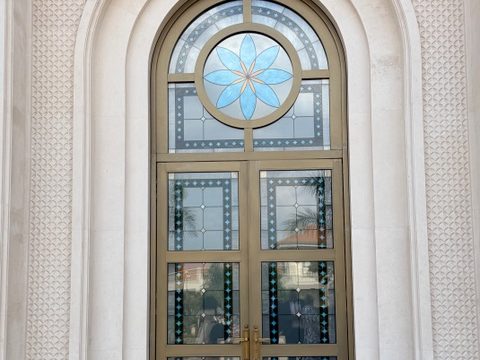
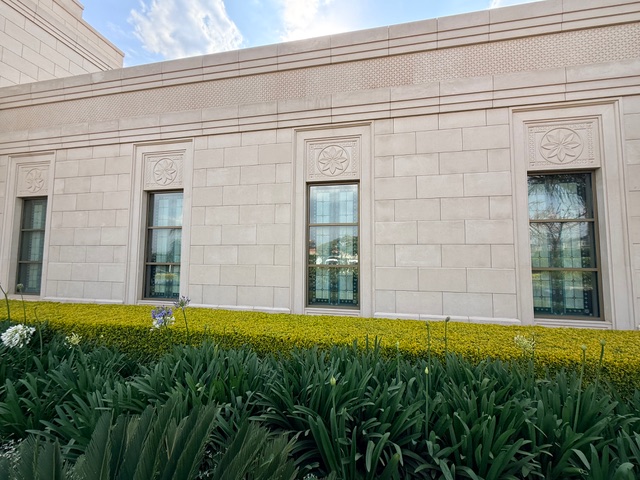
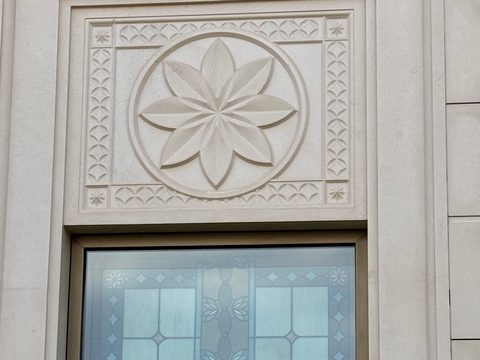
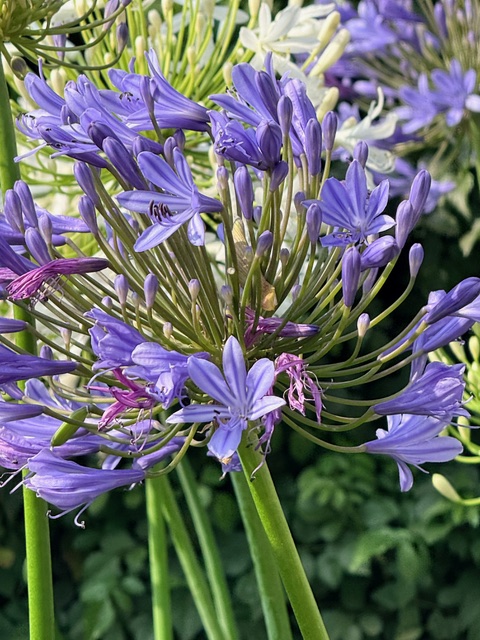
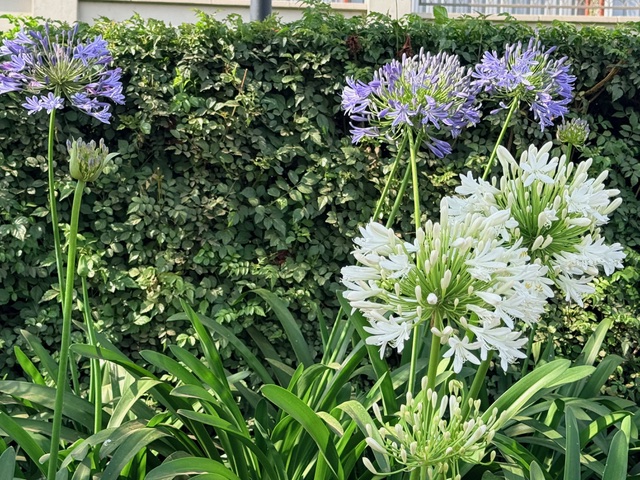
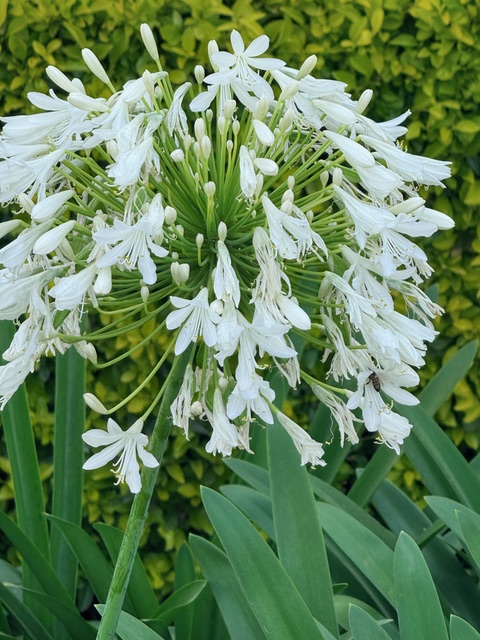
It was wonderful to be taught by him. Such a humble, disciple of Jesus Christ. Following their discussions, we had a tasty buffet luncheon. We were in the stake center next to the temple so were able to use the cultural hall of that beautiful building. After lunch, we were able to attend with the Mission Leaders a session in the Kenya Temple. What a beautiful temple it is. Filled with color and light, it is a much improved design over smaller temples we have visited. Having stained glass windows in the endowment room was new to us, but it was lovely! The central motif of the Nairobi Temple is the African Lily. Also known as the Lily of the Nile. I did some research on it since it is such a prevalent symbol inside and out. Here is what I learned (thanks ChatGPT):
- Common name: African lily, Lily of the Nile, or Blue lily
- Scientific name: Agapanthus africanus (and related species such as Agapanthus praecox)
- Family: Amaryllidaceae (the amaryllis family)
- The name “Agapanthus” comes from Greek: agape = love; anthos = flower → meaning “flower of love.”
- Early European explorers and botanists were fascinated by this hardy yet elegant plant, which produced bright blue or white clusters of trumpet-shaped flowers above long, strap-like leaves.
- The African lily was first described in 1679 by the Dutch botanist Jan Commelin, working at the Amsterdam Botanical Gardens.
- It was brought to Europe in the late 17th century by Dutch traders and explorers returning from the Cape of Good Hope (then a Dutch colony).
- By the early 1700s, Agapanthus was a prized ornamental plant in European botanical gardens — especially in Britain, France, and the Netherlands.
- It became a favorite among the Victorian elite during the 19th century, often grown in conservatories and formal gardens for its exotic origin and striking appearance.
- In South Africa, the African lily holds traditional and medicinal value.
- Some indigenous groups used parts of the plant in folk medicine to treat ailments such as chest pain, coughs, and even to assist childbirth (though it can be toxic if misused).
- In Zulu tradition, Agapanthus roots were sometimes used as a protective charm for pregnant women.
- In modern symbolism, it is associated with love, beauty, purity, and strength — reflecting its etymology and enduring bloom.
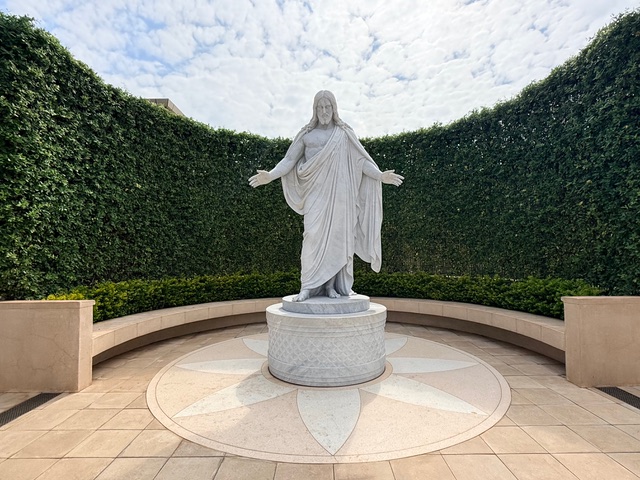
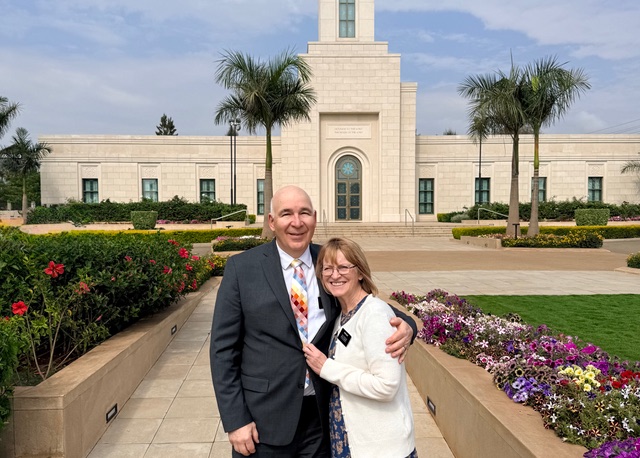
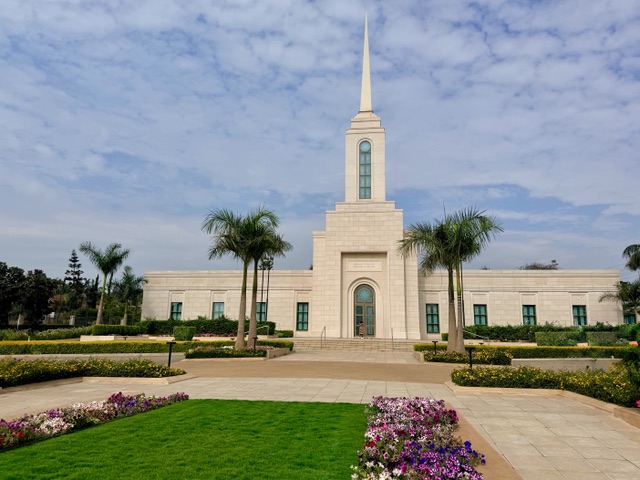
It is this last point that I think makes it a perfect symbol for the temple. Here are some pictures outside the temple of both the architecture and the many African Lily’s that surround the temple.

Thursday night we again stayed at the Pan Pacific suites on Thursday evening and then went to the airport Friday morning around 9 pm. We returned home around 6 pm. We loved our week in Kenya, but it is always great to be back home!
Next week we are off to Mauritius for the Africa South Mission Leader Seminar! That will be the subject of the next post as we continue to love Serving Together in South Africa.
Discover more from Kunz Corner
Subscribe to get the latest posts sent to your email.
 Kunz Corner
What an update! Love your insights on the lily.
Sent from Gmail Mobile
LikeLike
What a glorious and sunshine experience
LikeLike
Good evening dear président Kunz and Sister kunz, hope that this email will find you well.
I been always happy of reading your emails each times when I have the time to take a look to each the emails I used to received from you.
Kunz’s are powerful and strong in each place they’re or in any assignments were God assigned them.
I really appreciate and like more email where you spoken about président Tshilombo’s history and I do testified that président Tshilombo is a man of faith and good man God, he is my eclestical leader because he used to lead my district which will became a stake in May to come and he is the one who released me when I came back from my mission.
Dear président and Sister Kunz I joined my couple pictures above of this message and informing you that I got married on October 18th and I also been sustained as first consolor In the district presidency’s.
I have a lot of your experiences I learned from my mission and today I never regret any moment I had in GKM field, and it is to were I understand very good the importance of serving a full time mission beside you.
I really love you guys and still hopeful that we shall remeet again one day to thanks you and show you my gratitude face to face.
I am also grateful to our heavily father for putting you on my way in this earth life and learning from you ( exactly obedient).
Love you both.
Brother Kasongo from DRC.
Get Outlook for Androidhttps://aka.ms/AAb9ysg
LikeLike