It has been an unusual week. Unusual in the sense that both on Monday and Saturday we did something out of the ordinary. Monday’s are preparation days for the Mission Leaders across both the Africa Central and Africa South Area. They would say they don’t really have a Preparation Day (something we understand), but because the missionaries also have their Preparation Day on Mondays, things are generally quiet for me…until the evening when things start to move again. We decided to take advantage of the quiet by going with Elder Kerry Johnson to Pilanesberg, perhaps his favorite place in South Africa. From the brochure received at the gate where we entered we get this description: “Described by geologists as the Pilanesberg Alkaline Ring Complex. The Pilanesberg is very old and is one of only three alkaline volcanoes in the world. The formation of the Pilanesberg occurred 2000 million years ago (really?). At its zenith, the volcano towered to a staggering 7,000 meters in height, rivaling Africa’s highest peak, Mt Kilamanjaro. Over time, a series of volcanic eruptions occurred. There were further outpourings of lave, craters collapsed, ring fracturing took place around the volcano and magma was squeezed into these fractures. The end result is several concentric ‘onion rings of rocks of different ages.‘”
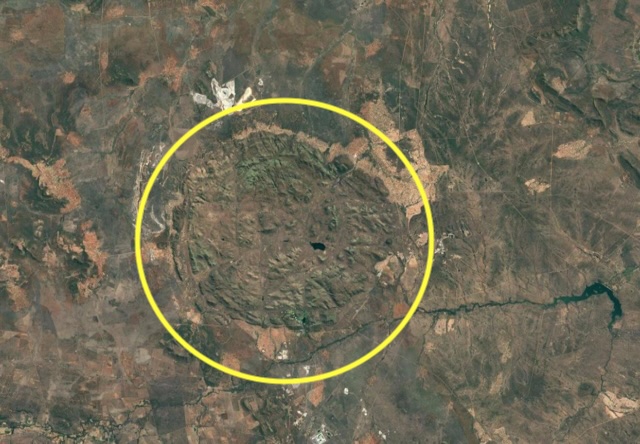
The brochure continues: “The white farmers of Pilanesberg were expropriated by the Nationalist government during the early 1960’s as part of a plan to make more land available for settlement of Batswana people in a so-called ‘homeland’. Pilanesberg thus became part of the former Homeland of Bophuthatswana. which was established in 1977. However, not all farms were occupied by white farmers and certain properties within the boundaries of what is today called Pilanesberg were still owned and occupied by the Bakgatla people. As early as 1969, the potential of the Pilanesberg as a conservation project was identified. In 1973 further recommendations were made. The ecology and the tourism potential of the area were studied and formal recommendations were made to the Bakgatla leadership and the Bophuthatswana goverment in 1977. It was agreed that the areas occupied by the Bakgata were to be vacated so that most of the crater complex could be included in the Park. Pilanesberg was established in 1979 and was declared a national park in 1984. The Park’s formative mission was to ensure appropriate ecological management of renewable, wild, natural resources for the material benefit, enjoyment and cultural inspiration of the people. The North West Parks and Tourism Board, as custodians of Pilanesberg, continues to believe that if conservation is to succeed in Africa, then local communities and individuals must benefit significantly from wildlife conservation and related activities. If local communities can benefit through Jobs and business opportunities, then firm support for protected areas will be obtained, and important conservation objectives will be met almost as a secondary or spin-off benefit. In total, 6,000 animals representing 22 species were eventually released into the Park. Predators such as lion, cheetah and wild dog were later released to restore ecological processes, while leopard, brown hyena, black-backed jackal and caracal occurred naturally. The game introduction programme was an outstanding success and today the Pilanesberg contains the abundance of game that was recorded in 1836 by the famous explorer-hunter, William Cornwallis-Harris.”
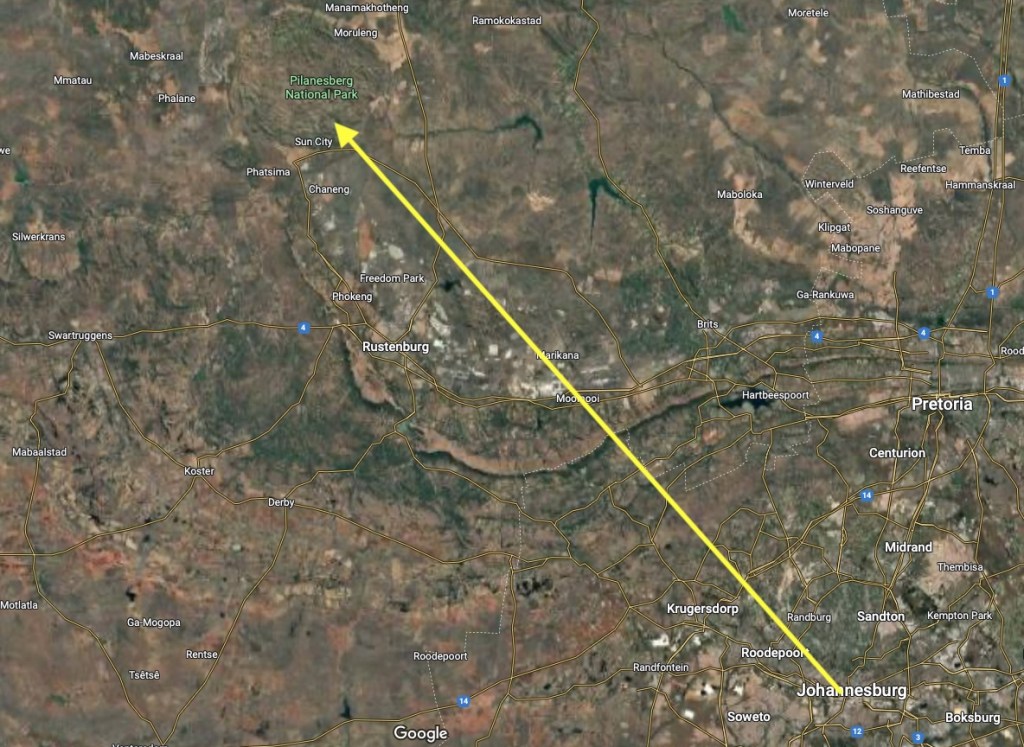
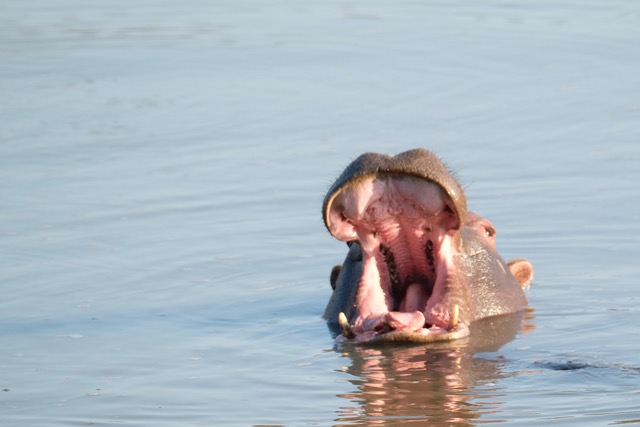
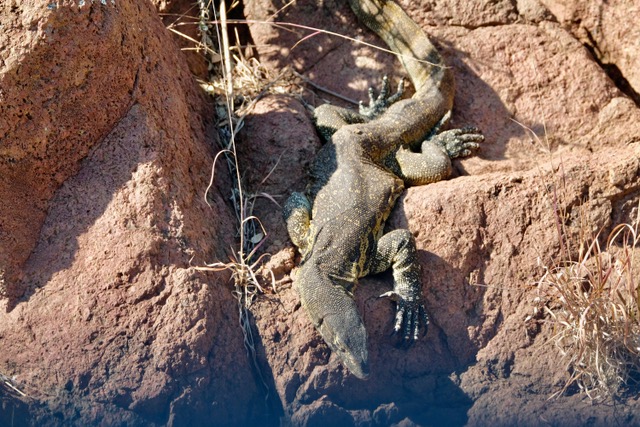
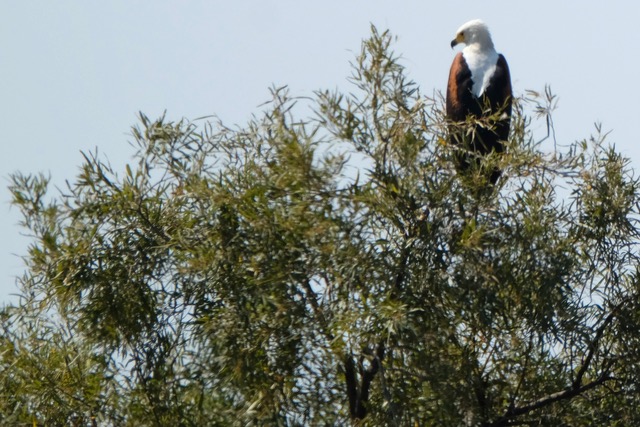
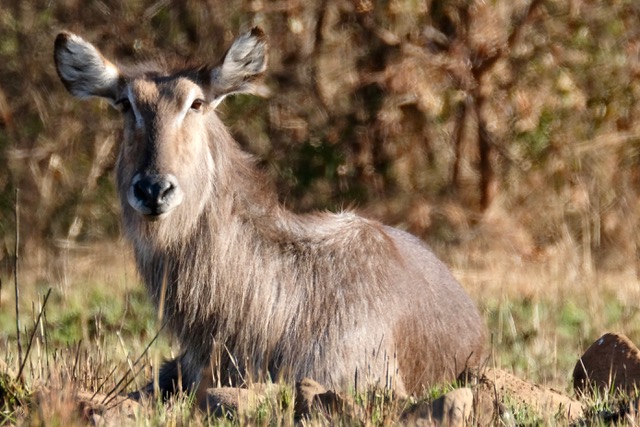
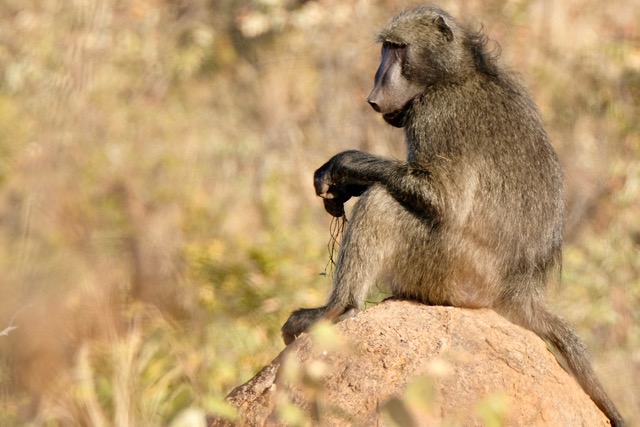
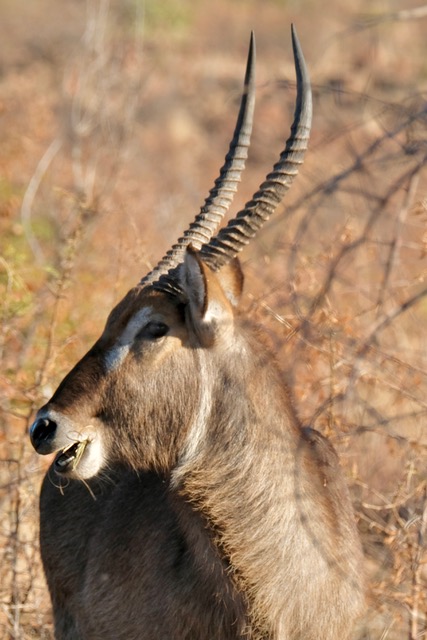
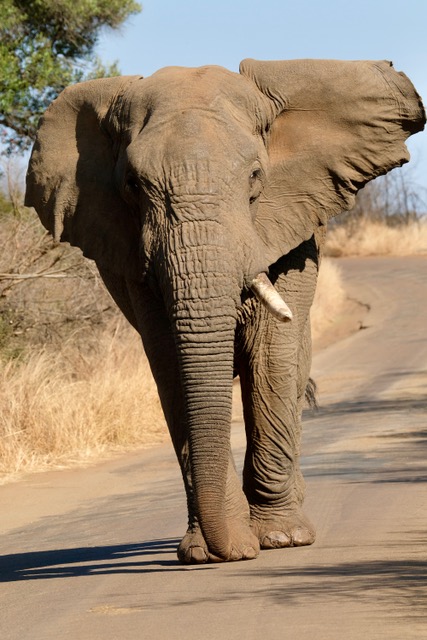
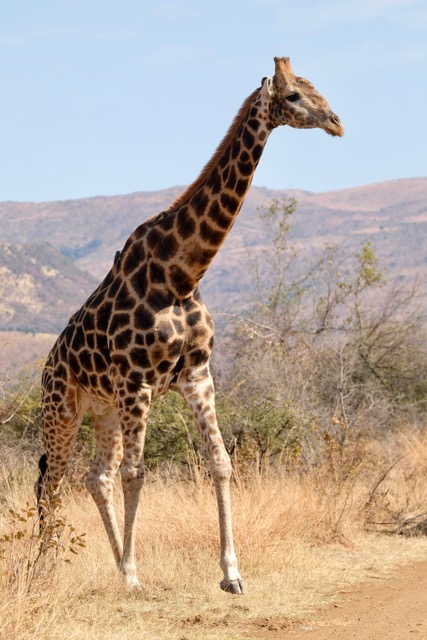
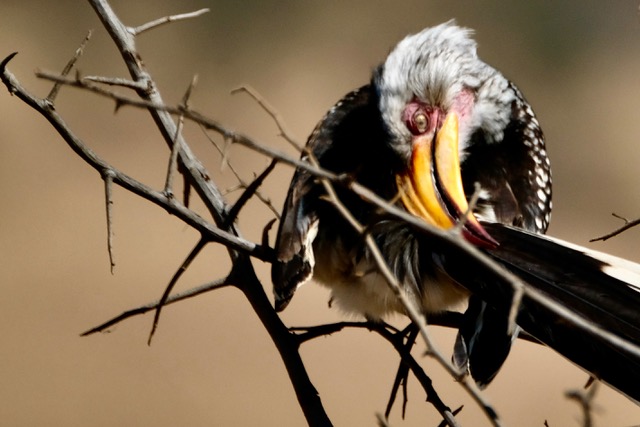
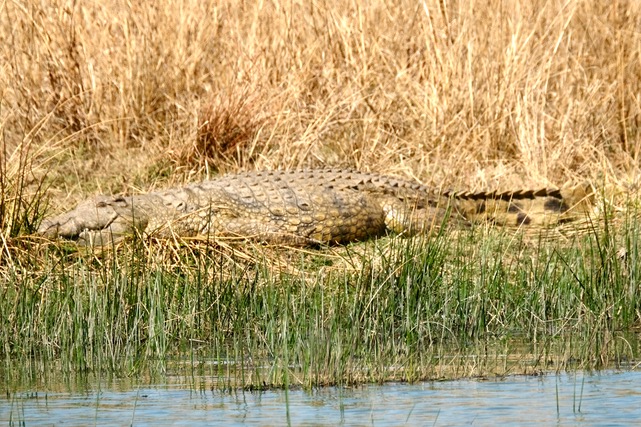
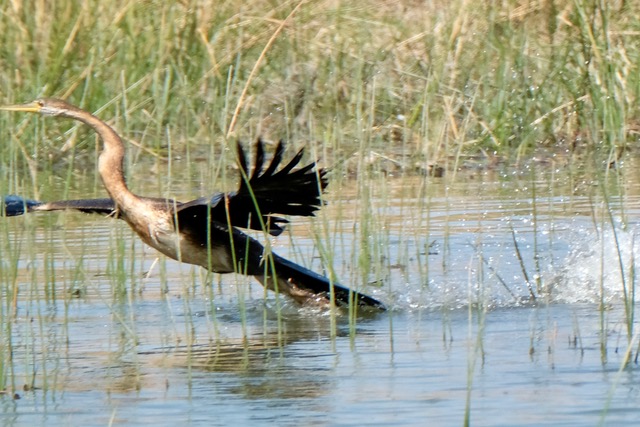
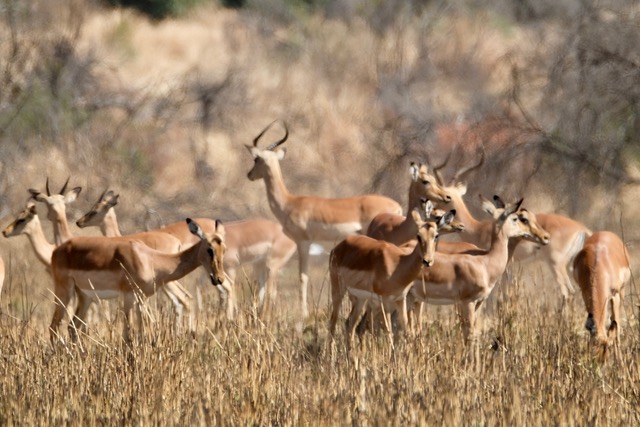
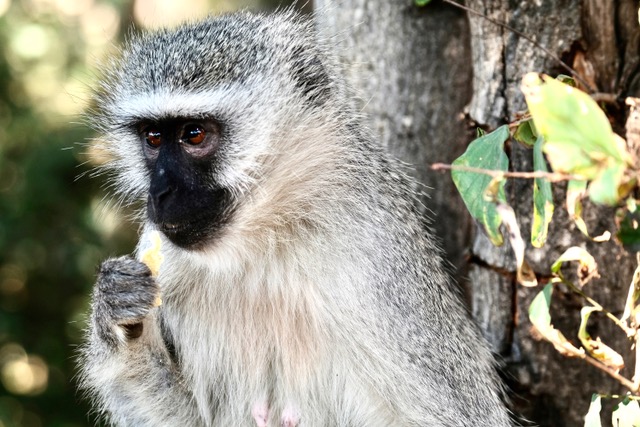
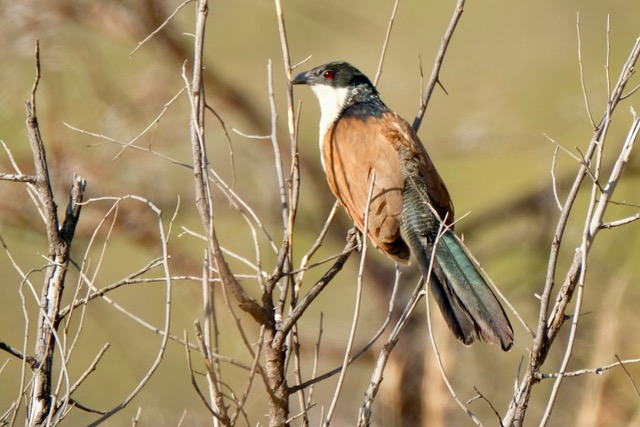
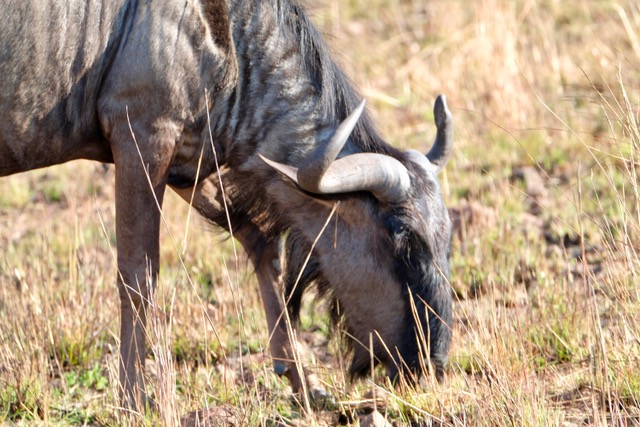
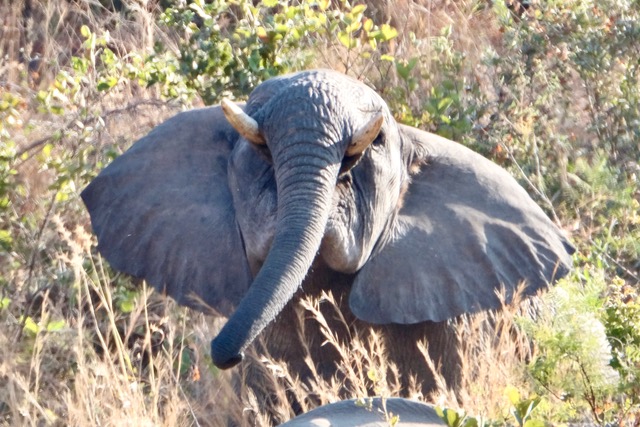
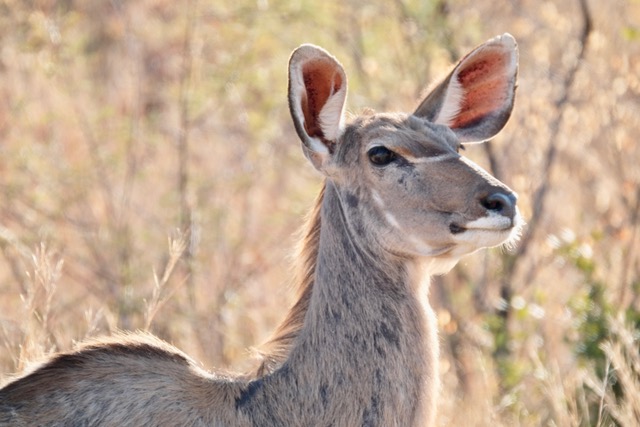
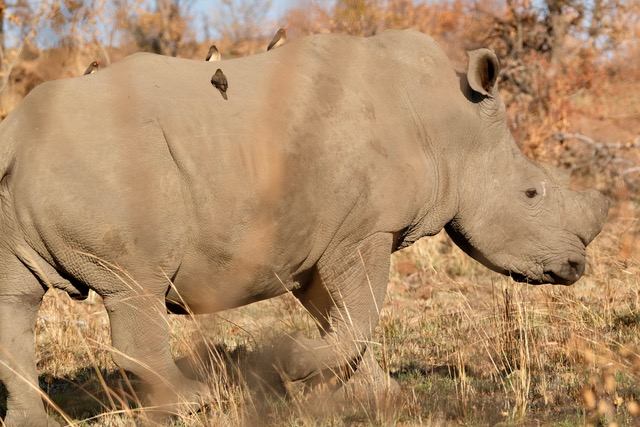
Pilanesberg is a three hour drive from Johannesburg. In the map with the arrow you can see the relative distance. I assure you the road was not so straight. We left at 5:00 am and arrived just after 8 am (we stopped for gas before leaving). Elder Johnson was kind enough to drive as he makes the trip often. Between 8 am and noon we saw a good collection of animals. Between noon and 3 pm, not so much. But as if an alarm went off and the animals awoke, around 3:00 pm, the animals again appeared. Below is a gallery of some of the best pictures we took for the day.
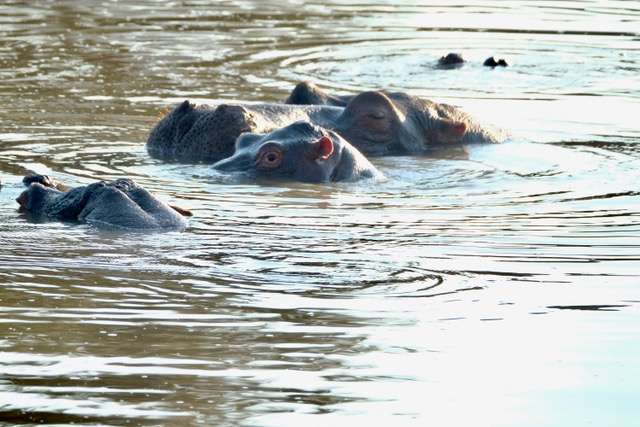
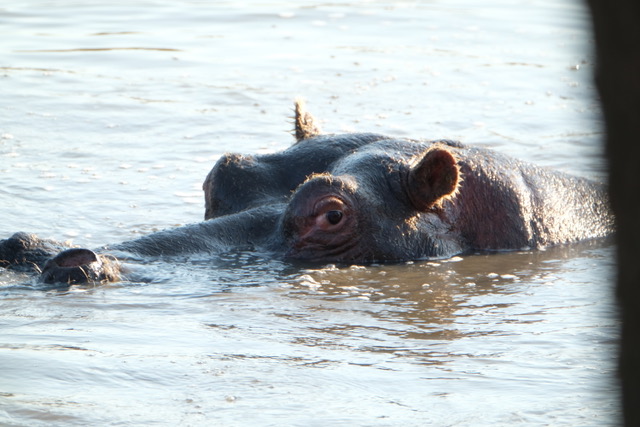




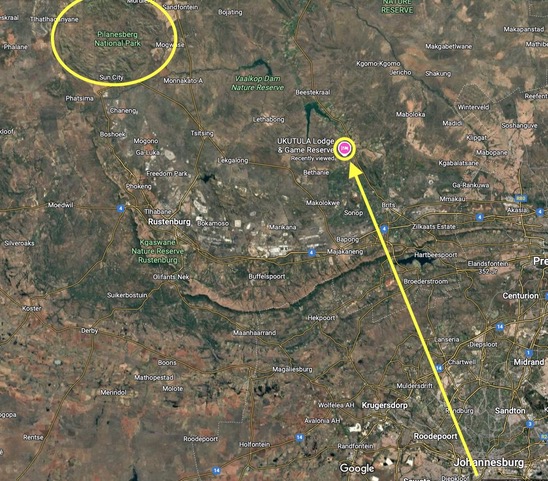
As if our Monday experience wasn’t enough, Elder and Sister Cooper, assigned to the Communications team here in Africa South Area, invited us on Saturday to “do something fun” with them. We ended up spending the morning to late afternoon enjoying a visit to Ukutula Lodge and Game Reserve. This was a bit closer to Johannesburg, taking us just under 2 hours to get there. It is in the same general direction as Pilanesberg, but not as far as you can see on this map.
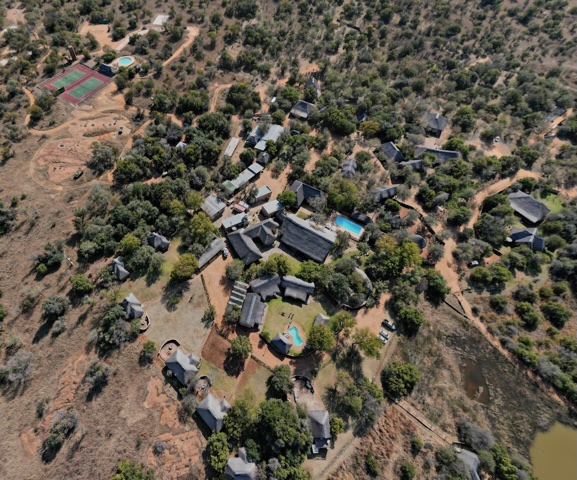
Here is the description from the website: “Known as the “place of quiet” the lodge is nestled in lush bushveld where the roar of the lion can be heard for miles around. The reserve comprises 260 hectares (640 acres) of unspoiled bushveld boasting a variety of wildlife species, including predator and antelope species, giraffe, zebra, and more. Ukutula is also home to more than 130 different bird species. Our vision: Conservation through Sustainable Eco-Tourism, Research, and Education. Ukutula supports and applies the IUCN’s One-Plan-Approach (OPA) to Species Conservation and Animal Breeding Principals.
We had a wonderful experience there. Our guide was Marinas (means “man of the sea”). He really loved the animals there and was a wealth of information. We thoroughly enjoyed our 4 hours with him. We were able to walk with the lions and actually pet a full grown female cheetah. It was an amazing day. Here are some of our favorite pictures from the trip.
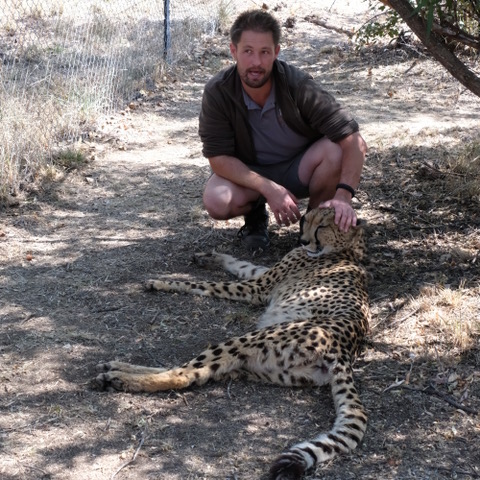

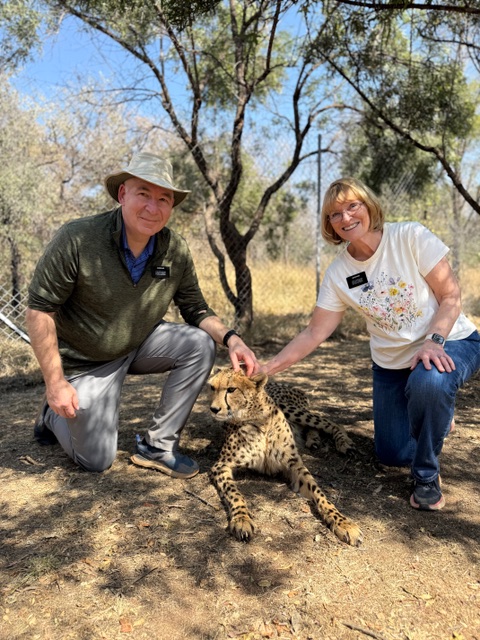


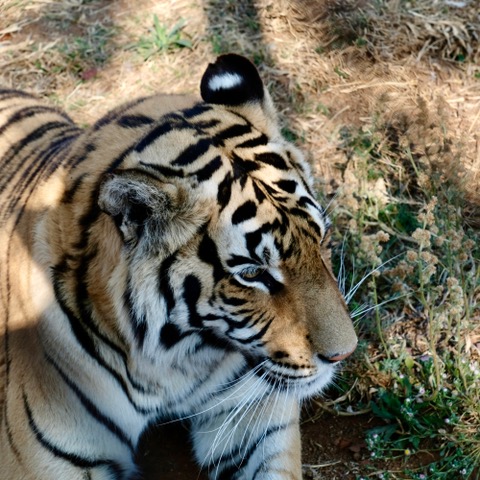
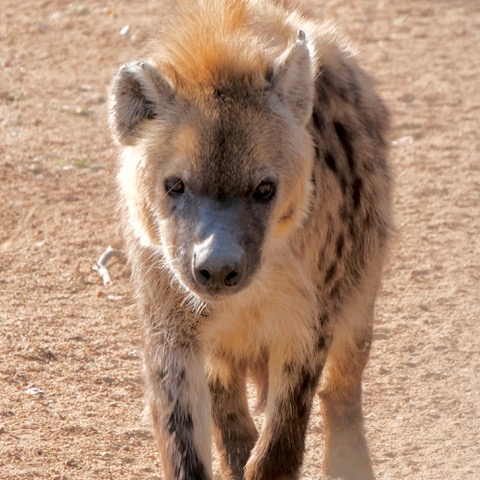
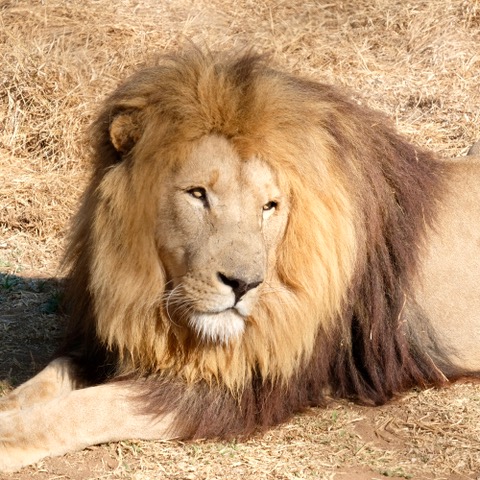
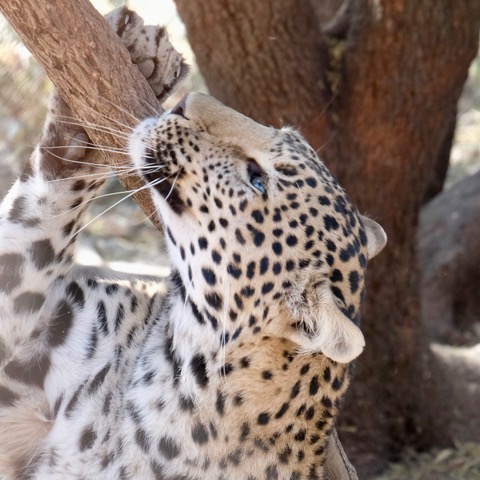
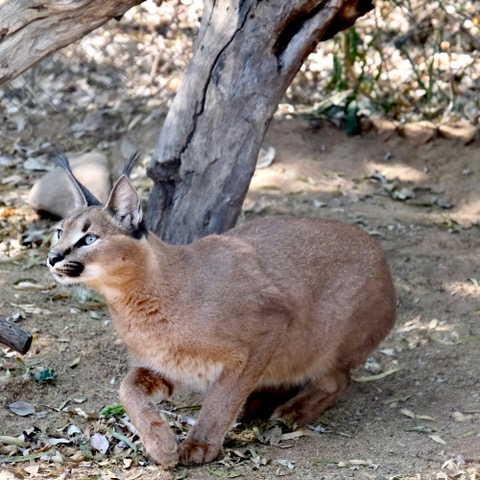
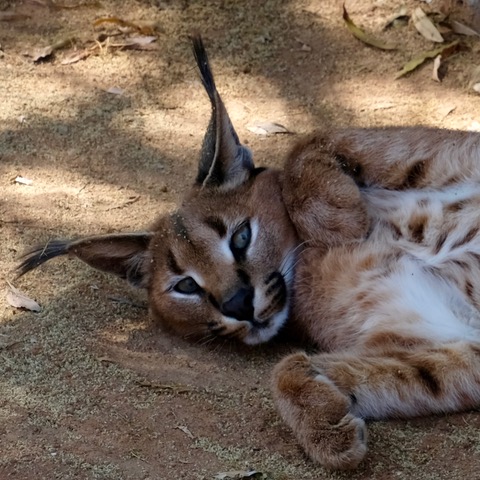
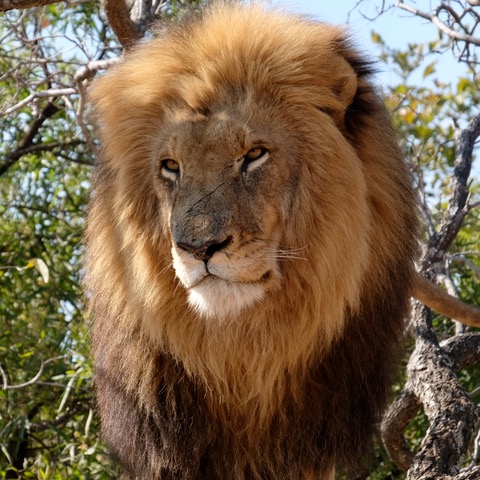
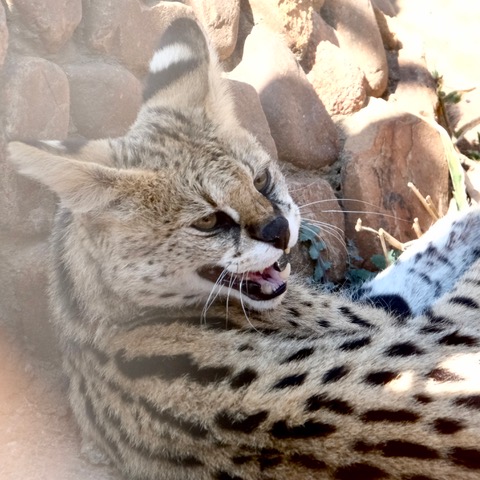
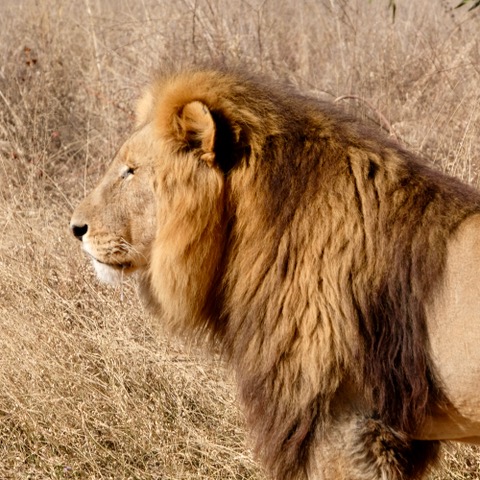
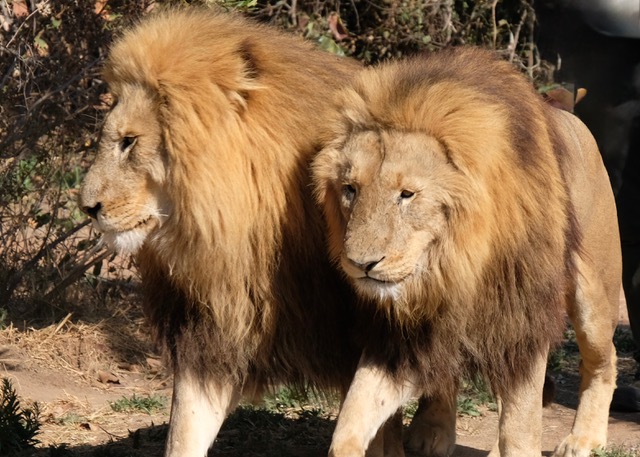
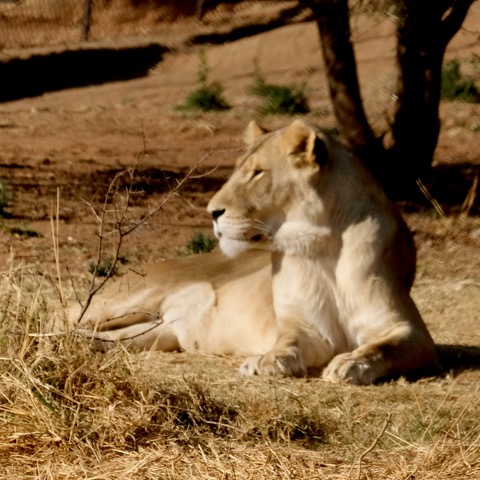

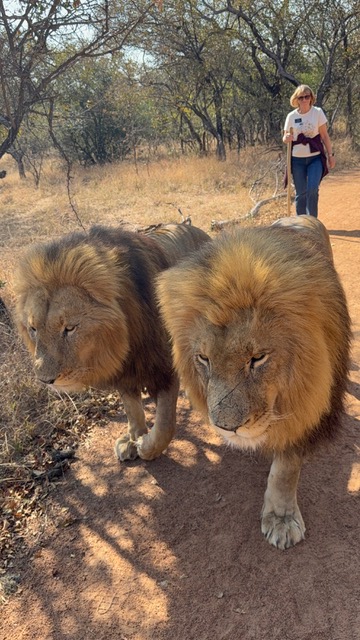
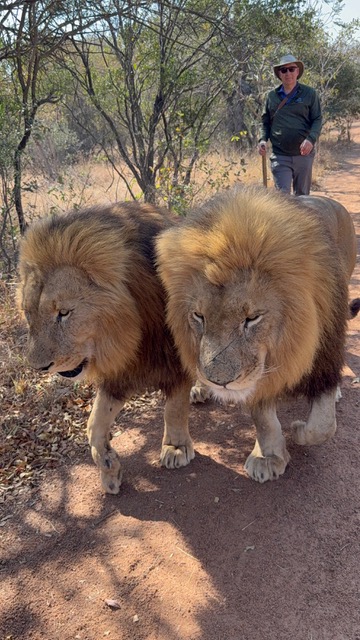
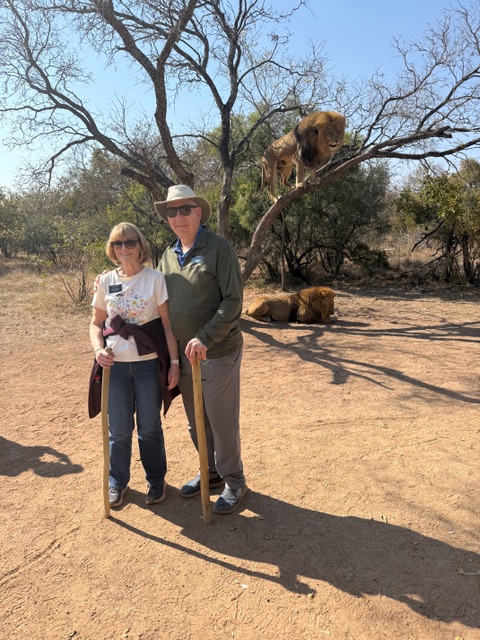

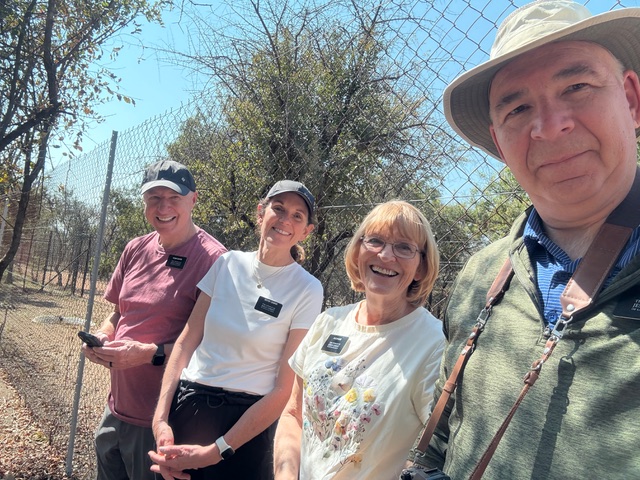
The Animals of Africa are amazing, beautiful, majestic, free spirited, and inspiring. It is fun to see them in the wild, and we even enjoyed those in captivity. Ukutula is not only a “zoo of sorts”, but more importantly it is a research center where they seek to understand better the life cycle of these animals, their breeding patterns, and their overall health issues. They do not interbreed the cats. The cubs that are born there are done so through artificial insemination so as to expand the gene pool. They do not subscribe to what many say regarding “re-wilding” an animal (that it is not possible). They do it constantly with animals that they care for. To be successful in returning an animal to the wild, Marinas explained there is a process that must be followed to make it possible. Such a great day overall!
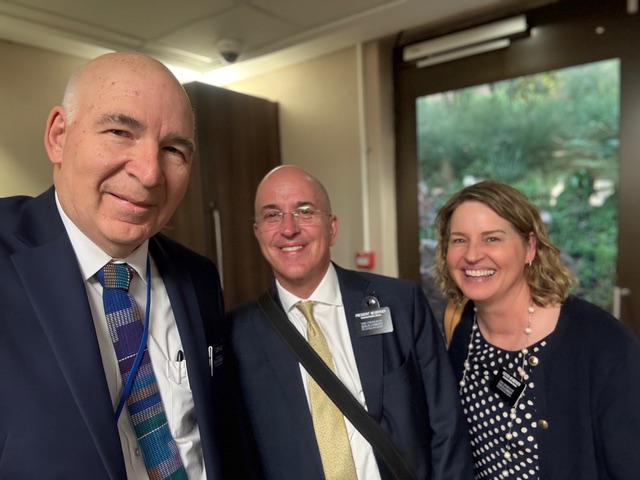
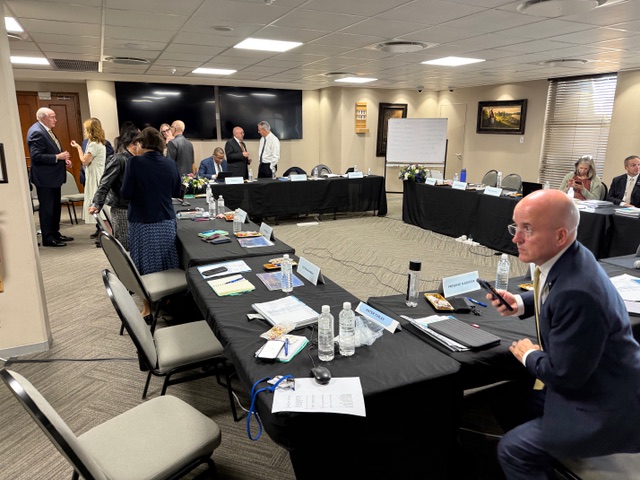
On Wednesday, August 20th, I spent the afternoon with the 4 new mission presidents and their wives as they came into Johannesburg for an orientation by the Area Presidency. Much of the afternoon was spent with the Area Presidency answering questions from the Mission Leaders they had formulated over the last 6 weeks. We were especially grateful to spend time on Tuesday with the Neuberger’s who were one of the couples we mentored. We took them to Tashas at the Rosebank Mall for lunch. They were staying at the Marriott at Melrose, so we were not very far from the mall, and only 12 minutes from our apartment. We failed to take a picture together on Tuesday, but I did get one with them on Wednesday.
The work continues to move forward. A couple of examples of cases this week. A missionary who came to one of the MTC’s started experiencing extreme pain in his back. He even fainted while in the temple. Turns out he had a “tuberculosis tumor” on his spine. This is called Potts disease because it was named after Sir Percivall Pott, an 18th-century English surgeon who, in 1779, was the first to provide a definitive description of the problem. This young man is from a small village in an non-English speaking country. Because he was in South Africa where medical care is good, they were able to quickly do a biopsy and discover the problem and provide some immediate pain relief with a laminectomy (a form of spinal decompression surgery) as well as get him on medication to eradicate the non-communicable TB. It is unlikely this would have been diagnosed so quickly back home in his village, if at all. Just one more blessing of serving a mission!
I will mention one other case. A young elder in one of our missions serves in an area where the medical care can deal only with the basics. He contracted pneumonia and needed to get to a bigger hospital. In an almost “too fast” response, the folks in missionary medical in Salt Lake had him on a plane ambulance and flown to a larger city with better health care. When the missionary found out he was leaving the next morning, his question was “Am I going to die”? The mission president reassured him this was only a precautionary measure and that he would be fine. And he is doing good. While the communication could have been better, I am grateful for the “full press” effort the Church makes to take care of these precious young men and young women.
Overall the work continues at a steady rhythmic pace. I can almost predict the times of the week that things will get busy and when they will be slow. It seems as though there is always something that needs to be done. LaDawn has been busy this week learning a new responsibility associated with senior couples newly called to the area. She is now responsible for being their first contact once they get their call in terms of making sure they have all the information that they need and that systems and accesses are granted locally so they can hit the ground running. She is so good at detailed work that this sort of additional assignment is perfect for her.
The weather is beginning to warm up. Now in the low to mid 50’s in the morning when we go on our walks. We continue to be grateful for the opportunity to serve and rub shoulders with such great men and women while Serving in South Africa.
Discover more from Kunz Corner
Subscribe to get the latest posts sent to your email.
 Kunz Corner